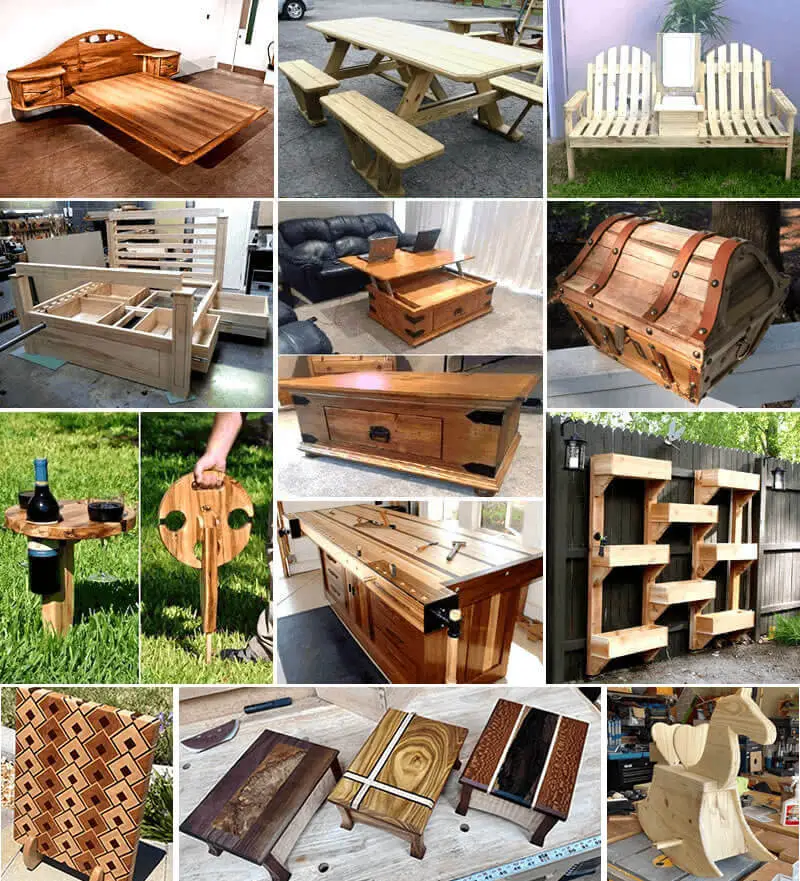
Teds Woodworking operates as a digital access platform rather than a physical product. Once users gain access, they can browse, search, and download plans based on project type, skill level, or intended use. This digital structure allows immediate usability without waiting for shipping or printed manuals.
Step by Step Usage Flow
The system generally works through a simple process:
1. Choose a Project
Users select a project that fits their current skill level, available tools, and space constraints. For example, a suburban homeowner may start with a backyard bench or storage box before moving to larger builds.
2. Review the Plan
Each plan includes diagrams, dimensions, and instructions. Reviewing these before starting helps users understand material requirements and time commitment.
3. Prepare Materials and Tools
Material lists are typically based on standard US lumber dimensions, which makes sourcing supplies from local hardware stores straightforward.
4. Build in Logical Stages
Instructions are laid out sequentially to reduce confusion. This is especially helpful for beginners who benefit from a linear build process rather than abstract guidance.
Learning Through Repetition
One of the overlooked strengths of Teds Woodworking is how it supports skill development through repetition. By working through multiple projects, users naturally improve measurement accuracy, cutting technique, and assembly confidence. Over time, this builds transferable skills that can be applied even outside the provided plans.
Practical Example Scenario
Imagine a homeowner in Ohio who wants to organize their garage. Instead of guessing dimensions or copying unreliable online sketches, they can select a storage cabinet plan, follow standardized measurements, and complete the project in a weekend. The result is not just a finished cabinet but a smoother building experience that encourages future projects.
This structured approach reflects principles commonly supported by educational research on skill acquisition. Step by step instruction, visual reinforcement, and repeatable processes are known to help learners retain practical knowledge more effectively.